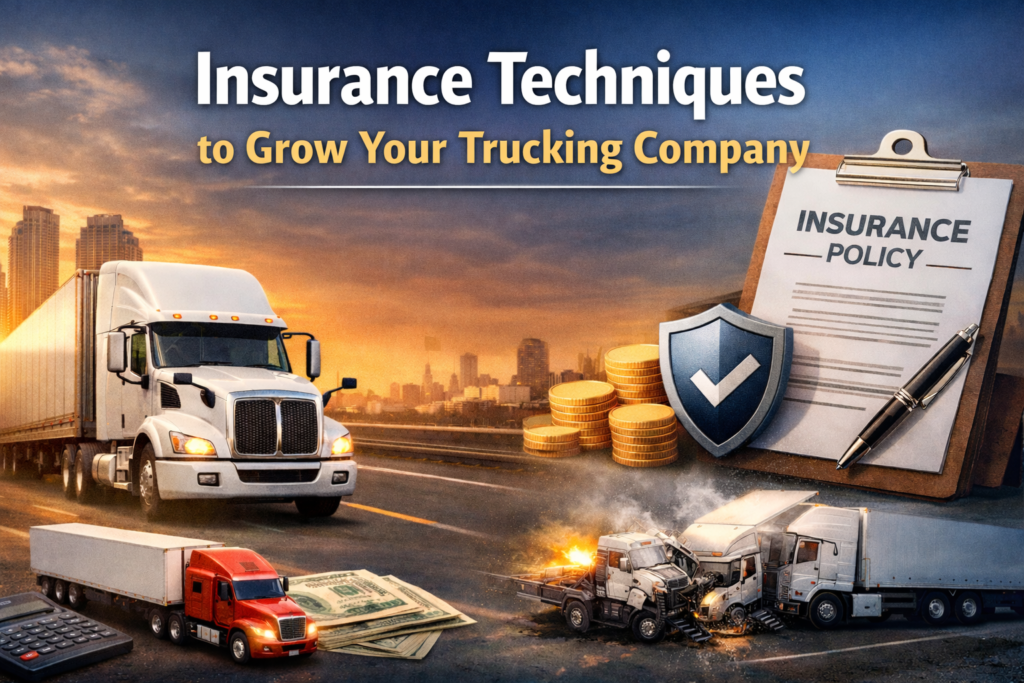
Although growing a trucking company can be thrilling, there are hazards and increased obligations involved. Your exposure to possible collisions, auto damage, and liability claims increases with the size of your fleet. Putting in place strong insurance plans that safeguard your drivers, assets, and business processes is one of the most important parts of managing expansion. We’ll go over important insurance tactics for trucking companies in this tutorial, such as the function of truck insurance, risk management, and advice on selecting the best plans
The Significance of Insurance for Trucking Companies
Trucking is dangerous by nature. Regulatory compliance standards can be stringent, and drivers must spend long hours on the road while moving precious cargo in a variety of situations. In addition to being required by law for many operators, insurance is an essential instrument for protecting your company.
Truck insurance aids in preventing monetary losses due to:
Car crashes and collisions
Vandalism or theft
Cargo loss or damage
Claims for third-party liability
Unexpected events causing business disruptions
Insurance coverage should increase in tandem with the growth of your trucking company. While overpaying for needless coverage might put a strain on cash flow, underinsurance can expose your fleet. A carefully thought-out insurance plan strikes a balance between cost-effectiveness and protection.
Recognizing the Different Kinds of Truck Insurance
Prior to creating an insurance plan, it’s critical to comprehend the many kinds of coverage that are offered. Different risks are addressed by different insurance, and complete protection is ensured by selecting the appropriate mix.
1. All-inclusive truck insurance
A wide range of hazards are covered by comprehensive truck insurance, such as damage to the vehicle from theft, fire, accidents, and natural catastrophes. Comprehensive insurance
give companies with several trucks the assurance that every vehicle is safeguarded against a wide range of accidents.
2. Insurance for Third-Party Liability
To cover harm or damage to other people or their property, third-party liability insurance is necessary. When driving heavy vehicles, this kind of coverage is especially crucial because accidents can lead to large claims. In several Australian states, commercial cars must have a minimum amount of third-party insurance.
3. Insurance for cargo
Your trucks’ cargo is protected by cargo insurance. This coverage guarantees that losses or damages during transit won’t affect your company’s budget, whether you’re shipping pallets, bulk goods, or specialized freight. It’s especially crucial for growing companies that deal with expensive or perishable goods.
4. Insurance for Fleets
Fleet insurance provides cost savings and easier management by covering several cars under one policy. Moving from individual vehicle policies to fleet coverage can simplify renewals and lessen administrative strain as your trucking company expands.
5. Insurance for Business Interruption
Operations may be disrupted by unforeseen circumstances like accidents, mechanical difficulties, or natural disasters. While repairs or replacements are being made, business interruption insurance helps keep your company financially stable by covering lost revenue and continuing costs
Evaluating Risk as You Grow
Although expansion creates new opportunities, it also poses new hazards. One of the most important aspects of creating a successful insurance plan is evaluating these risks.
- New Routes and Territories: Taking your trucks into new areas could expose them to varying weather patterns, traffic hazards, and road conditions.
- More Vehicles: Having more trucks increases the risk of theft, breakdowns, and accidents. Insurance must scale appropriately.
- Driver management: Adding more drivers raises the risk of mishaps or wrongdoing. Experience, license, and training of drivers should all be taken into account by policies.
- Cargo Variety: Specialized coverage may be needed while transporting a variety of goods, especially valuable or hazardous ones.
By carrying out a thorough risk assessment, you may find coverage gaps and make sure your insurance meet the particular requirements of your expanding fleet.
Techniques for Controlling Insurance Expenses
Although insurance is necessary, premiums may mount up rapidly, particularly for fleets that are growing. The secret is to put cost-control measures into place without sacrificing coverage.
1. Examine policies and providers.
The coverage and cost of truck insurance vary throughout carriers. Examine and contrast insurance according to exclusions, coverage limits, and premium prices. Discounts can occasionally be obtained by combining several coverages, such as cargo and fleet insurance.
2. Put Safety Programs into Action
Companies with excellent safety records are frequently rewarded by insurance companies. Over time, lowering premiums and reducing claims can be achieved through the implementation of monitoring systems, routine auto maintenance, and driver education. Programs for safety show a proactive attitude to risk control.
3. Examine the policies Frequently
Your insurance needs will expand along with your business. Make sure all policies reflect your current operations by reviewing them every year or every two years. By modifying coverage limits, acquiring additional vehicles, or improving cargo protection, underinsurance and unforeseen out-of-pocket costs can be avoided.
4. Examine Extra Choices
As long as your company can handle the initial out-of-pocket expenses in the case of a claim, selecting larger excess levels can lower premiums. When setting excess amounts, weigh financial risk against affordability.
5. Make Use of Industry Knowledge
Insurance brokers with a focus on trucking companies can offer insightful information. They can help you negotiate better rates based on fleet size, routes, and cargo categories, detect possible coverage gaps, and customize policies to your unique operations.
Regulatory Requirements and Legal Compliance
In Australia, trucking companies are subject to a number of state and federal laws. It is essential to make sure your insurance satisfies legal standards in order to prevent fines, penalties, or business closures. Important factors include:
Third-party insurance is required for commercial cars in the majority of states.
- Load-Specific Regulations: Additional coverage may be necessary for some types of cargo, such as hazardous goods.
- Workplace Safety Compliance: In order to adhere to workplace health and safety regulations, insurance policies should take drivers’ and employees’ liability into account.
Making Long-Term Growth Plans
Expanding a trucking company involves more than just buying more cars; it also entails creating long-lasting operations. Long-term expansion should be supported by insurance plans that provide flexibility when your fleet, routes, and cargo needs change.
- Fleet Expansion: Verify that insurance plans may readily accept more automobiles.
- Diversified Cargo: Examine coverage as you move various things to safeguard expensive or specialized commodities.
- Driver Recruitment: Take insurance factors, such as driving history and experience, into account when employing new drivers.
- Technology Integration: By enhancing safety, monitoring, and claims handling, telematics and GPS systems can frequently lower rates.
You can safeguard your investment and make sure the company can grow effectively and safely by including insurance planning in your growth strategy.
Concluding remarks
Careful planning, effective operations, and proactive risk management are necessary while growing a trucking company. A key component of this preparation is insurance, which offers monetary security against mishaps, cargo loss, and liability lawsuits. Knowing the many kinds of coverage, such as business interruption policies, fleet insurance, cargo insurance, and truck insurance, guarantees that your company is ready for both anticipated and unforeseen difficulties. You may maximize coverage while controlling expenses by evaluating risk, putting safety systems into place, routinely reviewing policies, and consulting experts.
About the Author